In the contemporary corporate landscape, accessory branding has evolved from simple ornamentation into a highly strategic touchpoint for brand identity and corporate culture. Custom engraving tie clips represent a unique cross-section of luxury design and functional corporate signaling. Globally, B2B procurement managers face the ongoing challenge of securing accessories that possess aesthetic refinement while adhering to strict requirements of durability, hypoallergenic properties, and brand precision.
The demand drivers for these items are varied and global in reach. Multinational corporations, luxury hospitality groups, international airlines, law firms, and elite academic institutions routinely source custom tie clips as mandatory components of executive uniforms and high-value corporate gifts. Procurement agencies look for manufacturing partners capable of delivering massive order volumes while maintaining dimensional and engraving tolerances below ±0.05mm. Our specialized engraving workflows satisfy these strict parameters, ensuring every logo, emblem, or monographic detail is perfectly executed on premium base metals.
Furthermore, shifts in global trade patterns and the rise of digital B2B networks mean that speed-to-market is critical. Exporters must possess not only technical capability but also structural resilience, ensuring logistics routes remain uninterrupted despite global supply chain fluctuations. By integrating raw material sourcing, mold-making, surface plating, and precision engraving under one roof, we eliminate intermediate supply chain layers, offering high-volume commercial buyers optimized lead times and superior pricing structures.
To construct a high-performance engraving tie clip, the selection of the substrate material and the choosing of the engraving technology are the most important elements. Depending on the design complexity and targeted price point, we utilize distinct metallic substrates, including premium cartridge brass (H65/H68), surgical-grade stainless steel (316L), and copper-zinc alloys. Below, our engineering matrix illustrates the operational performance characteristics of each approach:
| Engraving Technology | Primary Substrates Used | Precision / Tolerance | Optimal Use Case | Corrosion Resistance |
|---|---|---|---|---|
| Fiber Laser Ablation | Stainless Steel, Brass, Copper | ±0.01 mm | Micro-logos, high-density text, serialization | Excellent (passes 48h salt spray) |
| CNC Diamond Drag | Brass, Plated Base Metals | ±0.03 mm | Classic monogramming, deep-grooved lines | High (depends on protective lacquer) |
| Chemical Acid Etching | Brass, Zinc Alloys | ±0.05 mm | Recessed graphics filled with enamel | Medium-High (requires electroplating) |
| 3D Die Casting | Zinc Alloy (Zamak 3) | ±0.10 mm | Relief structures, irregular shapes | High (under double electroplating) |
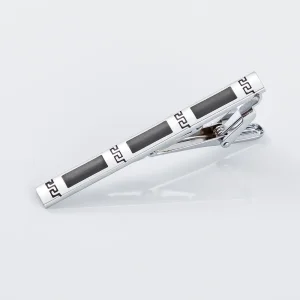
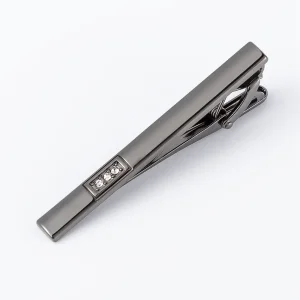
Our standard operating procedure dictates that after the mechanical or laser engraving phase, the metal undergoes multi-layer electroplating. This process deposits successive layers of acid copper, bright nickel, and finally, real precious metal coatings (such as 18k gold, palladium, rhodium, or 925 sterling silver). For products requiring color fills, such as the *Wholesale Black Enamel Tie Clips TC9005*, we utilize advanced bake-cured epoxy enamels that are hand-filled and polished to ensure a flush, seamless, and scratch-resistant surface finish.
Yiwu Jinjie Arts & Crafts Co., Ltd. is a leading & integrated manufacturer focus on cuff links, tie clips, brooches, gift boxes and other Men’s Accessories. We founded in 1992, have more than 30 years factory production experience in this field all over the world. Our established heritage in precision manufacturing empowers us to deliver premium quality custom accessories, combining time-honored craftsmanship with modern engineering processes.

Our company is located in Yiwu city (the world’s biggest wholesale market) China. And we are an integrated manufacturer for men’s accessories with the ability to design, produce and trade.
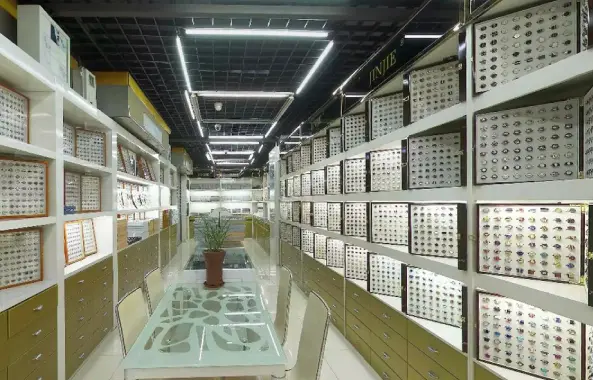
At present, we have expanded our factory with 4 physical stores in Yiwu city. We are committed to be an international online and offline supplier, providing global customers one-stop service.
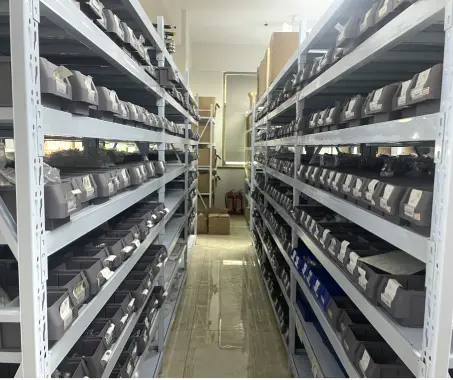
We have large storage capacity with an excellent R&D department, 2000+ new styles can be launched every month. Multiple ready in stock products keep us can fast shipping to customer.
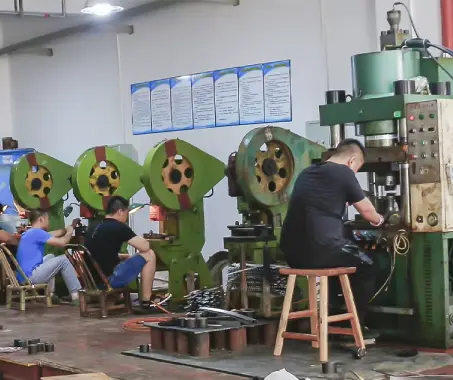
We are equipped with multiple cutting, casting, mold equipment and other production tools, and we have 100+ skilled workers, which ensures us with great productivity.
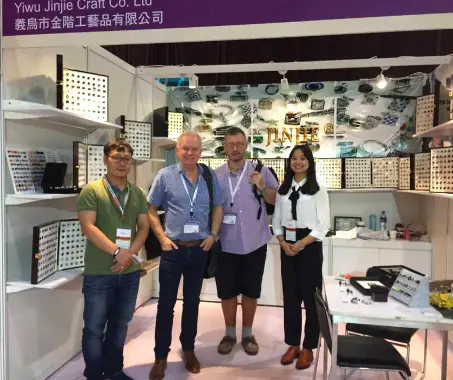
We have attended many times of global exhibitions, developing our cooperation partners in Middle East, South America, Europe, Russian Federation, Asia and other countries.
Procuring custom accessories at scale requires a clear, auditable roadmap. Over the past 30 years, we have refined a design-to-delivery pipeline that supports diverse macro-industry requirements, including corporate merchandising, uniform management programs, and OEM/ODM private-label brands. The process is engineered to minimize design friction, accelerate prototyping times, and secure quality consistency at every step.
Phase 1: Computational Vector Analysis & File Processing: To preserve the precision of corporate brandmarks, clients submit vector files (Adobe Illustrator, STEP, DXF, or high-resolution PDF formats). Our design engineers examine the draft for line width, draft angles, and text readability, converting 2D designs into precise 3D rendering profiles using specialized CAD software.
Phase 2: CNC Prototyping & Mold Verification: Once the 3D files are approved, the master mold is cut using multi-axis CNC machines. This step determines the precision of downstream castings. Prototype samples are cast, electroplated in the target finish, and sent to the client for validation of dimensions, weights, and spring-clasp tension mechanics.
Phase 3: High-Volume Industrial Casting & Stamping: Depending on the base alloy, we apply cold chamber die-casting (for intricate zinc alloy shapes) or mechanical stamping (for brass plates). Stamping applies hundreds of tons of pressure, creating crisp structural details and hardening the metal for lifelong durability.
Phase 4: Automatic and Manual Polishing: Precision casting leaves parting lines and micro-flaws. We utilize rotary tumbling systems with progressive abrasive compounds for bulk polishing, followed by manual buffing on cotton wheels to achieve a mirror finish (Grade AAA surface quality) before plating.
For importers in North America, Europe, and Japan, regulatory compliance is non-negotiable. Modern accessories must comply with global standards prohibiting harmful metals. All raw metals and surface treatments used in our factory comply with EU REACH regulations and US California Proposition 65, ensuring nickel-free, lead-free, and cadmium-free compositions. This eliminates customs risks and ensures consumer safety.
Our plating facilities feature integrated wastewater treatment systems, satisfying regional ecological protection standards. Furthermore, we support comprehensive third-party testing (SGS, Bureau Veritas, Intertek) to verify precious metal thicknesses, plating adhesion (via cross-hatch tape testing), and corrosion resistance (using acidified salt spray tests).
Logistically, our location in Yiwu city allows us to utilize the region's advanced distribution networks. Yiwu houses the world’s largest wholesale and shipping hubs, providing fast access to Ningbo and Shanghai deepwater ports. Whether shipping via air freight, express air delivery, or standard ocean freight, we coordinate customs clearances and documentation to ensure smooth door-to-door delivery.
We take pride in providing timely, reliable and useful services. Contact our commercial sales department today to request a quote or order prototypes.
Send An Inquiry Now JinJie Arts & Crafts