As we approach the 2026 Canton Fair, the spotlight on cufflink box production is becoming increasingly significant. The fair, set to take place across several sessions in April and May, offers a platform for innovation in various industries. With advanced manufacturing and new materials taking center stage, we can expect exciting developments in cufflink box designs and functionalities.
The integration of AI technologies will revolutionize the sourcing process. Buyers will have the ability to filter suppliers with certifications like ISO and CE rapidly. This will enhance the efficiency of navigation in the 155,000 square meters of exhibition space. Cufflink box production companies may need to adapt to this digital shift to stay competitive.
However, as we see advancements, challenges remain. Not every company may easily transition to these new technologies. The gap between traditional methods and digital innovation could create hesitation among some manufacturers. These dynamics will ultimately shape the future of cufflink box production, pushing for a balance between heritage and modernity.
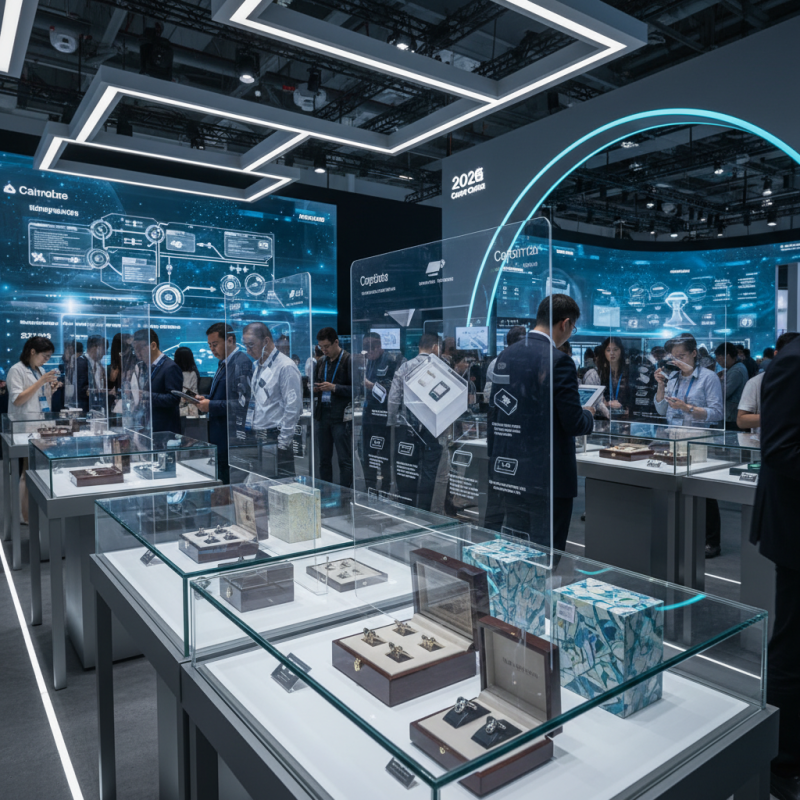
At the 2026 Canton Fair, innovation and sustainability dominate the cufflink box production landscape. Emerging materials are reshaping packaging design, focusing on eco-friendly options. Biodegradable substances, like bamboo and recycled cardboard, capture attention. These materials reduce waste and lessen environmental impact.
Many manufacturers face challenges in sourcing sustainable materials. Finding suppliers who meet eco-standards can be difficult. The market also demands stylish designs that appeal to consumers. Balancing aesthetics with functionality is no easy task. Eco-friendly finishes add a touch of elegance, but they sometimes lack durability.
Trends show a growing interest in minimalistic designs. As consumers shift toward sustainable choices, manufacturers must adapt. Packaging should reflect values of sustainability and luxury. Educating clients about these materials is essential for broader acceptance. Incremental changes can make a significant impact, but it's vital to evaluate each option thoroughly.
The 2026 Canton Fair will unveil exciting design trends in cufflink boxes. A focus on sustainability is becoming prominent. Designers seek eco-friendly materials and processes. Bamboo, recycled cardboard, and organic fabrics are great examples. Consumers appreciate the blend of functionality and environmental consciousness.
Aesthetic appeal is evolving. Geometric shapes and vibrant colors are on the rise. Cufflink boxes are not just containers; they are statement pieces. Some designs incorporate intricate patterns that draw the eye. However, there is a risk of overwhelming users with excessive detail.
Minimalism remains a key trend. Clean lines and simple designs create elegance. But finding the balance between simplicity and uniqueness poses challenges. Detailing through texture or innovative closures is a thoughtful way to elevate design. Exploring these nuances will enhance the visual experience.
The trends for cufflink box customization and personalization are evolving rapidly. Many consumers now seek unique designs that reflect their individuality. Personalized engraving, for example, adds a special touch. Customers appreciate the ability to choose material, color, and overall style. This trend goes beyond mere aesthetics, providing an emotional connection to the product.
One area needing reflection is the use of sustainable materials. While many prefer luxury, a growing number of buyers are eco-conscious. They desire packaging that looks good but feels responsible. This presents a challenge. Brands must balance luxury with sustainability without sacrificing quality. It's an ongoing discussion in the industry.
Moreover, some brands struggle to meet diverse customer needs. While customization is key, not all offer comprehensive options. This gap can alienate potential buyers. Companies should focus on listening to customer feedback. This openness can lead to innovative solutions, enhancing customer satisfaction. Understanding what customers want is crucial in a competitive market.
| Trend | Description | Material Used | Customization Options |
|---|---|---|---|
| Eco-Friendly Materials | Increasing use of sustainable and biodegradable materials. | Recycled cardboard, bamboo, organic cotton. | Personalized engravings and printing. |
| Luxury Finishes | Focus on premium aesthetics to attract high-end customers. | Leather, velvet, and high-density foam. | Custom colors and textures. |
| Smart Packaging | Integration of technology for interactive packaging experiences. | Smart materials with QR codes. | Digital customization options via apps. |
| Minimalist Designs | Emphasis on sleek and simple designs. | Acrylic, metal, and smooth cardboard. | Monogram options and color variations. |
| Historical Inspirations | Designs inspired by vintage and classic styles. | Wood, antique finishes. | Retro designs and motifs. |
| Modular Designs | Versatile boxes that can be customized widely. | Plastic and composite materials. | Interchangeable components and sections. |
| Cultural Themes | Incorporation of local cultural elements into designs. | Traditional fabrics and symbols. | Custom cultural patterns and colors. |
| Interactive Packaging | Engaging users with packaging that has added functionality. | Cardboard and pop-up designs. | Personalized messages and features. |
| Artisan Touch | Handcrafted elements to create unique pieces. | Natural materials like wood and clay. | Hand-painted or crafted designs. |
At the 2026 Canton Fair, technological advancements in cufflink box manufacturing processes are becoming increasingly apparent. Automation is reshaping production lines. Machines can now handle intricate designs more efficiently, reducing labor costs. However, this shift raises questions about craftsmanship. Will handmade qualities be lost in the pursuit of speed?
Sustainability is also a focus. Manufacturers are exploring eco-friendly materials. Biodegradable options are on the rise. This trend satisfies demand for greener choices. Yet, there's a dilemma. Balancing durability with environmental considerations is challenging. Not all biodegradable materials perform well long-term.
Another emerging trend is customization. Customers desire unique designs tailored to individual tastes. Digital design tools make it easier to create personalized cufflink boxes. However, this can lead to increased costs and longer production times. Meeting customer expectations remains a complex task for manufacturers in this evolving market.
The following bar chart illustrates the top 10 trends in cufflink box production anticipated for the 2026 Canton Fair. These trends reflect the integration of advanced technologies, sustainable materials, and innovative designs that are shaping the future of this accessory packaging market.
As we approach the 2026 Canton Fair, the market for cufflink boxes continues to evolve. Consumer preferences are significantly impacting design trends. A recent industry report highlights that 65% of consumers now prefer sustainable packaging options. Eco-friendly materials are no longer just a trend; they have become a requirement. Manufacturers are experimenting with biodegradable materials and recycled elements, reflecting this shift.
Design aesthetics are changing as well. The rise of minimalist styles is evident, with 70% of surveyed consumers favoring sleek and simple designs. Functional features, like compartments for various cufflinks, are also in demand. However, the challenge lies in balancing functionality with aesthetics. Many producers struggle to create visually appealing yet practical boxes. This reflects a broader trend in consumer behavior: a desire for thoughtful, meaningful design that complements modern fashion.
Furthermore, there is an increasing interest in personalized options. Up to 45% of consumers expressed a desire for customizable features. This presents both an opportunity and a challenge for manufacturers. While customization can drive sales, it may complicate production processes. Brands must adapt to this changing landscape, ensuring they meet evolving consumer needs while maintaining efficiency. The journey toward understanding these preferences is ongoing, filled with lessons and adjustments needed along the way.
: Sustainability is a major trend. Designers use eco-friendly materials like bamboo and recycled cardboard.
Geometric shapes and vibrant colors are becoming popular. Cufflink boxes are now seen as statement pieces.
Excessive detail can overwhelm users. Finding a balance is important in design.
Clean lines and simple designs create elegance. However, uniqueness is hard to achieve alongside simplicity.
Consumers want unique designs that reflect their individuality. Personalized engraving adds emotional value.
Many desire luxury packaging but feel responsible about sustainability. This creates a balancing act for designers.
Not all brands offer comprehensive customization options. This can lead to missed opportunities.
Listening to feedback can lead to innovations and increased satisfaction. Understanding customer needs is essential.
Yes, but it's challenging. Brands must ensure quality while being eco-conscious. It's a topic for ongoing discussion.
The article discusses the key trends shaping cufflink box production ahead of the 2026 Canton Fair. One prominent trend is the increasing use of emerging materials and eco-friendly options, reflecting a growing consumer preference for sustainability in packaging. Additionally, innovative design trends are enhancing the aesthetic appeal of cufflink boxes, making them more attractive to buyers.
Customization and personalization are also gaining traction, allowing consumers to tailor solutions to their preferences, which in turn is influencing market demand. Furthermore, advancements in manufacturing processes are streamlining production and improving efficiency. These trends indicate a dynamic evolution in cufflink box production, driven by both technological progress and shifting consumer expectations.

JinJie Arts & Crafts